
Neurocare-eLAB
Indraprastha Institute of Information Technology Delhi (IIIT-Delhi)
Indraprastha Institute of Information Technology Delhi (IIIT-Delhi)
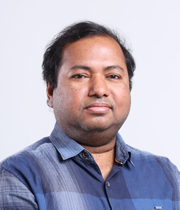
Dr. N. Arul Murugan holds a Ph.D. (2005) from the Solid State and Structural Chemistry unit at the Indian Institute of Science, Bangalore, India. His doctoral work focused on molecular simulations of temperature-induced disorder and pressure-induced ordering in organic molecular crystals.
Following his Ph.D., he conducted postdoctoral research at various prestigious institutes in Europe, including ULB (Brussels, Belgium), KTH (Stockholm, Sweden), and UPC (Barcelona, Spain) until 2011. His research was supported by fellowships from the Belgian National Fund for Scientific Research (FNRS), the Wenner-Gren Foundation, and the Spanish Ministry of Science and Innovation (Juan de La Cierva fellowship).
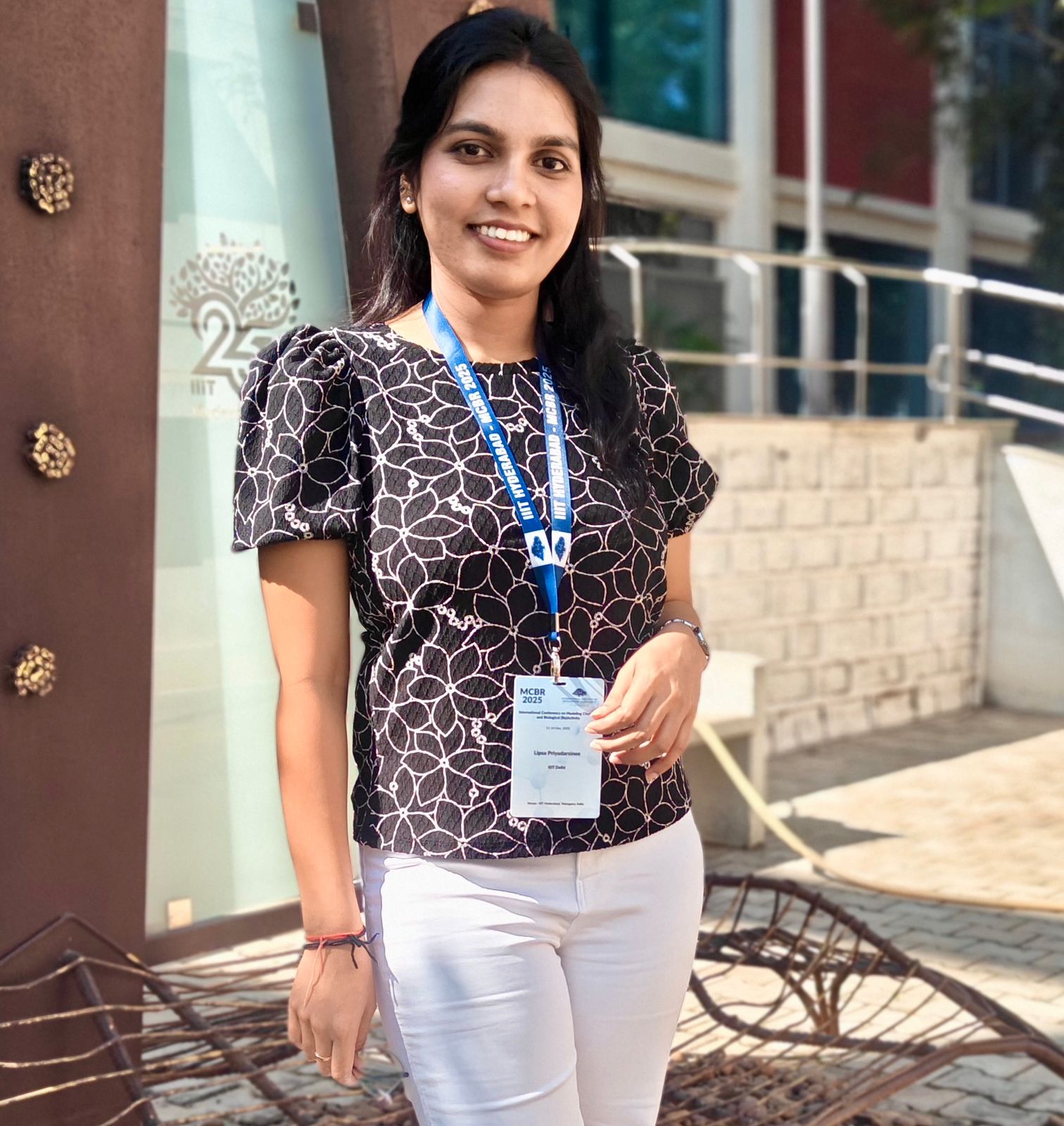
Lipsa is researching the application of large language models, generative AI, and machine learning to biomedical data, with a focus on peptide-based drug discovery and gene expression analysis. Her work focuses on integrating AI models with biological data to understand structure–function relationships and enable data-driven therapeutic design.
Expertise: Computational Biology, Large Language Models, Generative AI, Machine Learning for Biomedical Data, Structural Biology, Computer-Aided Drug Design (CADD), Software Development, Transcriptomic Data Analysis
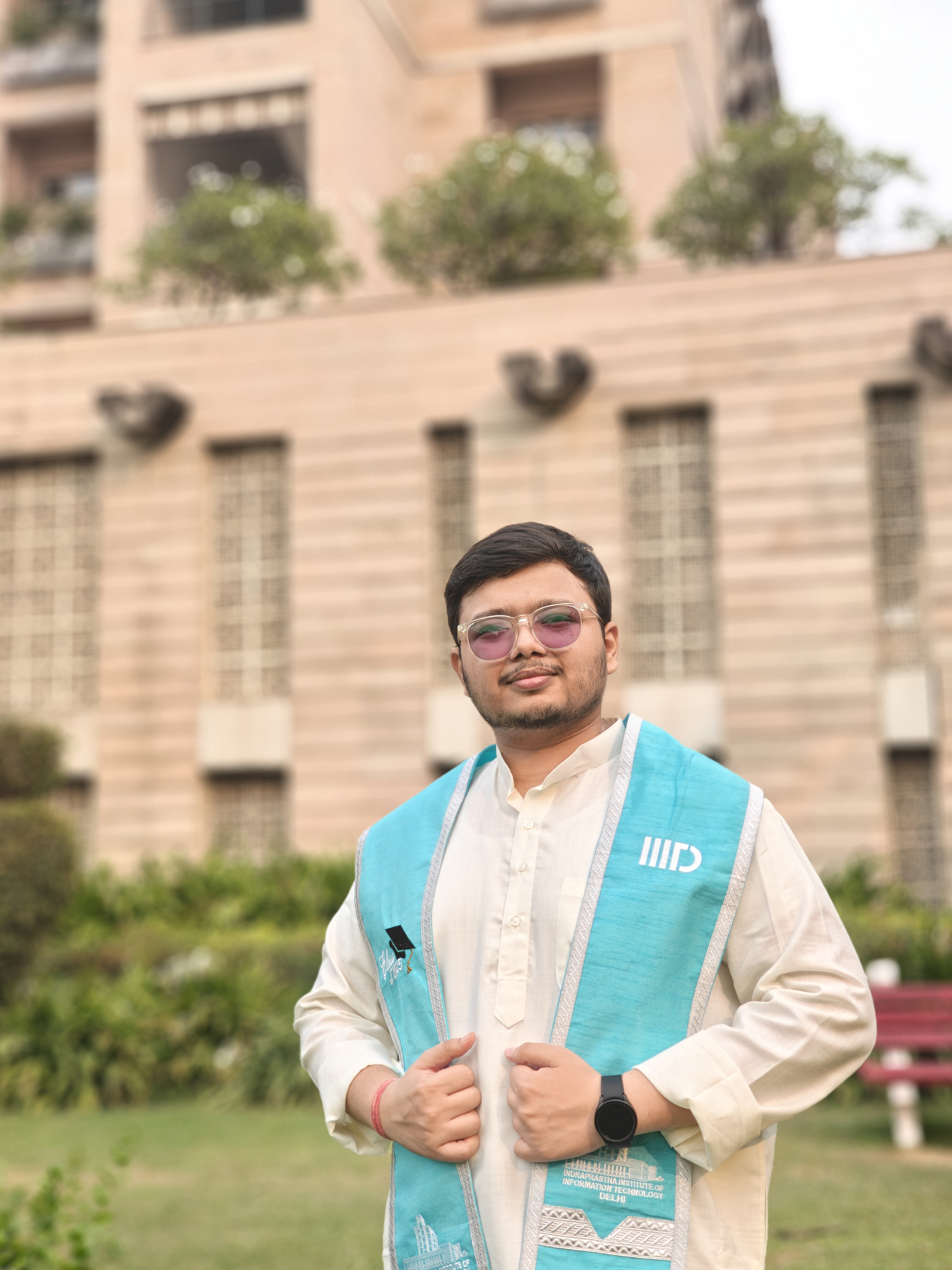
Prateek Paul is developing computational simulation frameworks to investigate copper dysregulation mechanisms underlying Wilson’s disease progression. His research integrates bioinformatics, cheminformatics, and AI-driven approaches to analyze large-scale biological and chemical datasets. He has designed parallel-processing pipelines to accelerate high-throughput analyses, enabling efficient exploration of molecular interactions and ligand properties. His work on natural-product libraries examines structural complexity and drug-likeness trends to support rational therapeutic design. Currently, he is building a comprehensive neurodegenerative disease database using text mining and natural language processing to systematically extract and organize biomedical knowledge from scientific literature.
Expertise: Computational Biology, Cheminformatics, Parallel Computing in Bioinformatics, Artificial Intelligence in Biomedicine, Natural Product Informatics, Disease Modeling, Text Mining and NLP for Biomedical Data, Machine Learning, Data-Driven Drug Discovery, Scientific Programming
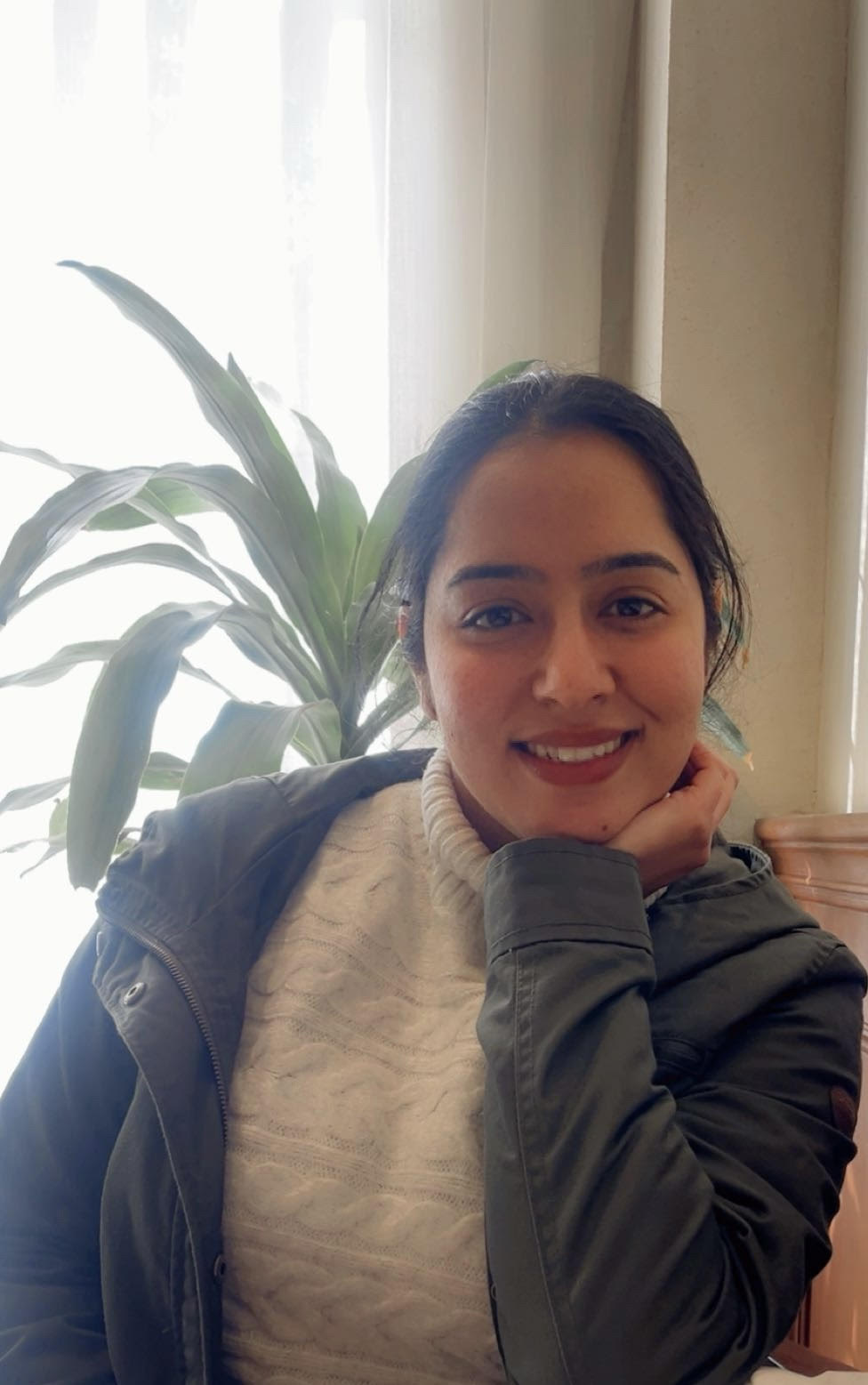
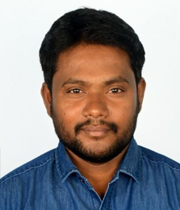
I am a PhD researcher at IIIT-Delhi specializing in AI-assisted structure-based drug discovery. My work benchmarks molecular docking protocols and machine-learning-based scoring functions for accurate binding affinity prediction. I systematically evaluate open-source AI retrosynthesis tools to bridge computational design with synthetic feasibility. Leveraging these insights, I pursue de novo drug design of azaindole-based scaffolds targeting VEGFR kinases, integrating docking, ML scoring, and retrosynthetic validation into a unified discovery pipeline.
Expertise: AI-Assisted Drug Discovery, Molecular Docking, Scoring Functions, Retrosynthesis, De Novo Drug Design, Kinase Inhibitors
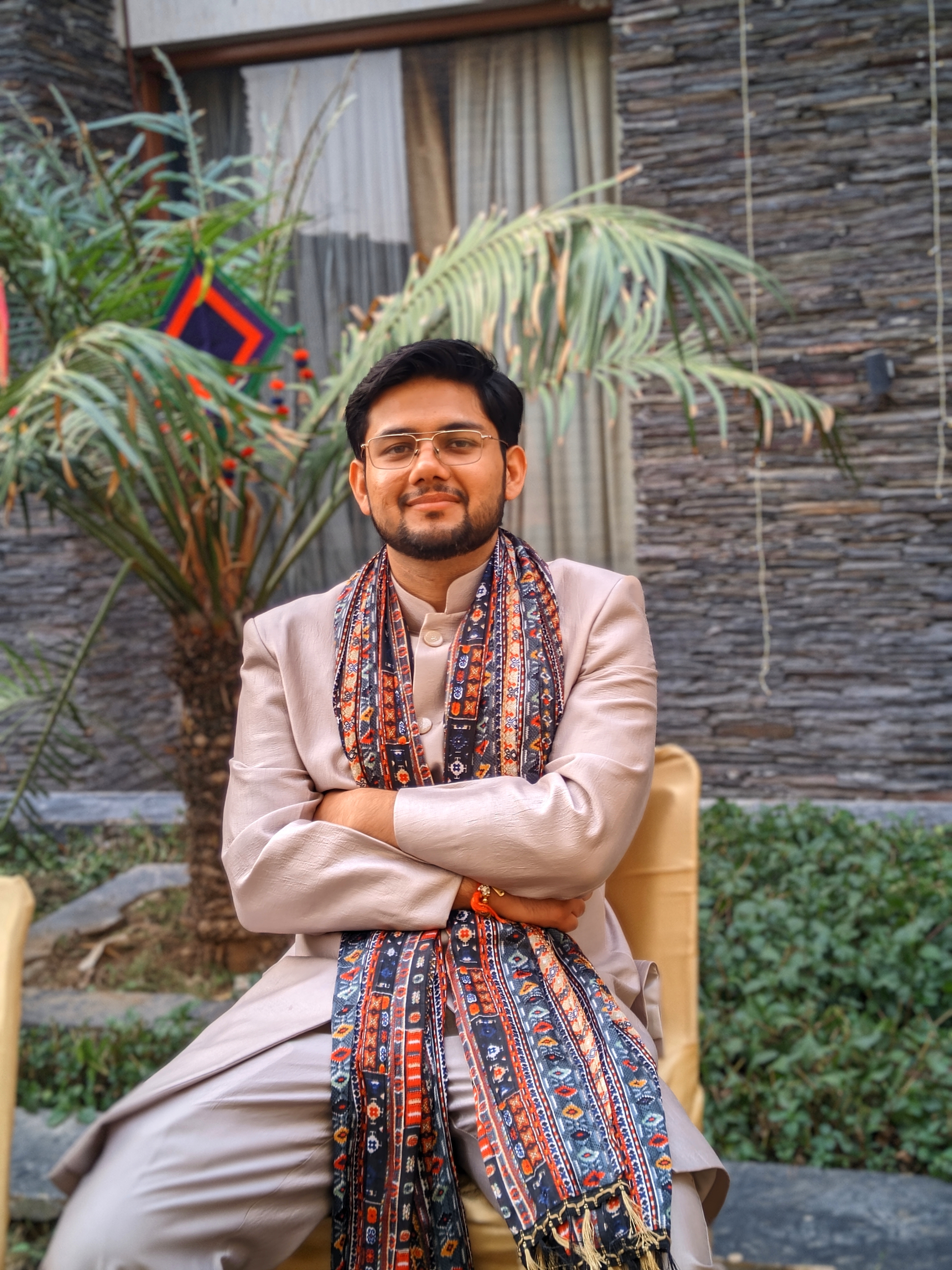
I am a doctoral researcher at IIIT Delhi, working under the supervision of Dr. Arul Murugan. My research focuses on using computational methods to make the drug discovery process faster and more efficient. My current work centers on designing better medicines, specifically Antimicrobial Peptides (AMPs). I am developing a framework to "repair" and optimize these peptide sequences to make them more effective for therapeutic use. I also explore de novo drug design, using tools like LigGen to generate new potential drug molecules from scratch.
Expertise: Computational Drug Discovery, Antimicrobial Peptides (AMPs), Peptide Optimization, De Novo Drug Design, Generative Models

I am a PhD Scholar at IIIT-Delhi, working at the intersection of structural biology and artificial intelligence. My research benchmarks deep learning and classical docking protocols, focusing on kinase inhibitors. Currently, I am developing Quantum-Physics-Inspired Machine Learning models to improve property prediction (LogP, LogBB) over traditional descriptors. Also, I am translating these insights to neuro-oncology, utilizing free-energy calculations to identify novel, BBB-permeable inhibitors for HER2-associated brain cancers.
Expertise: Structural Biology, AI in Drug Discovery, Deep Learning, Molecular Docking, Quantum-Inspired ML, Neuro-oncology, Free Energy Calculations
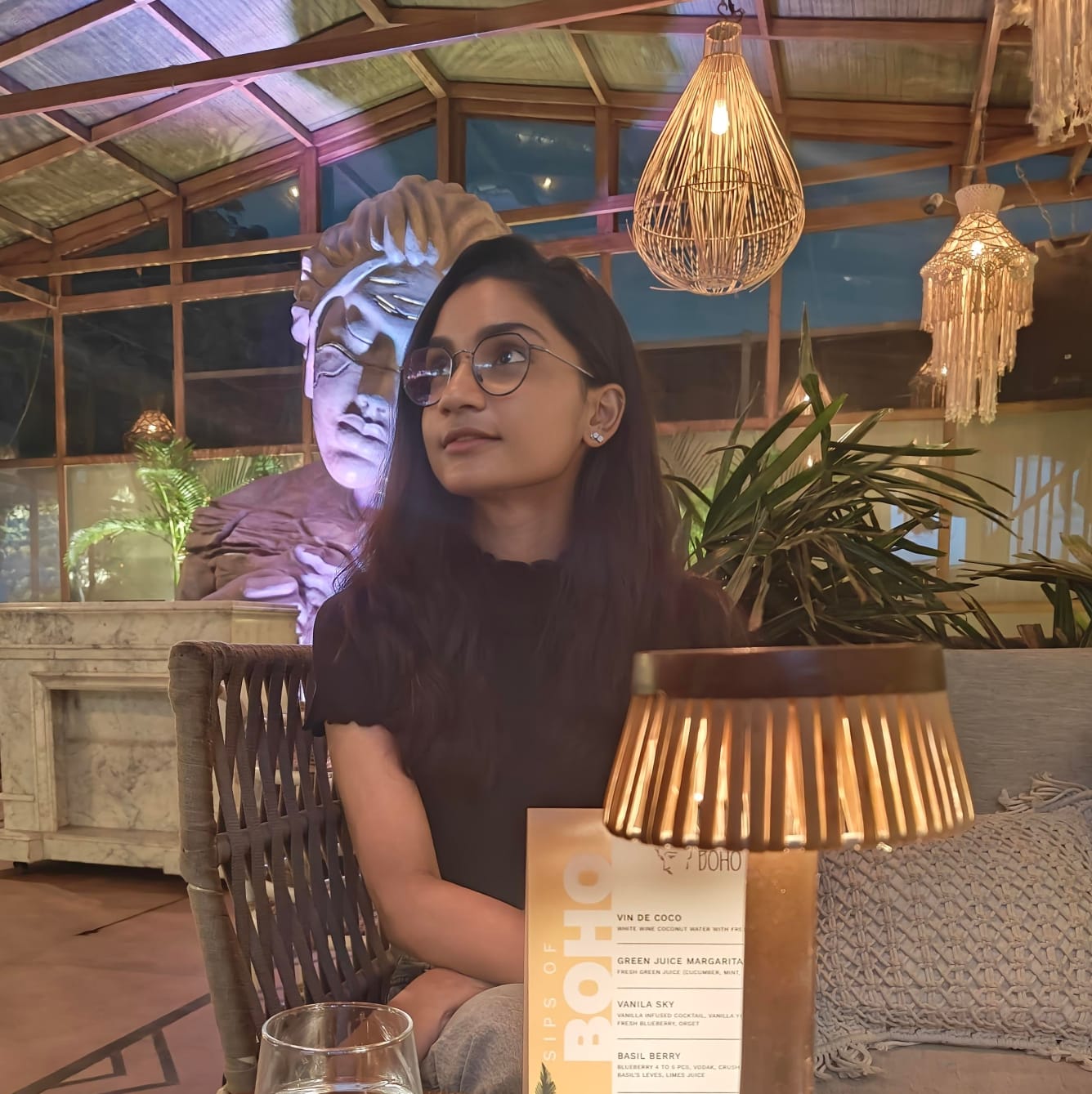
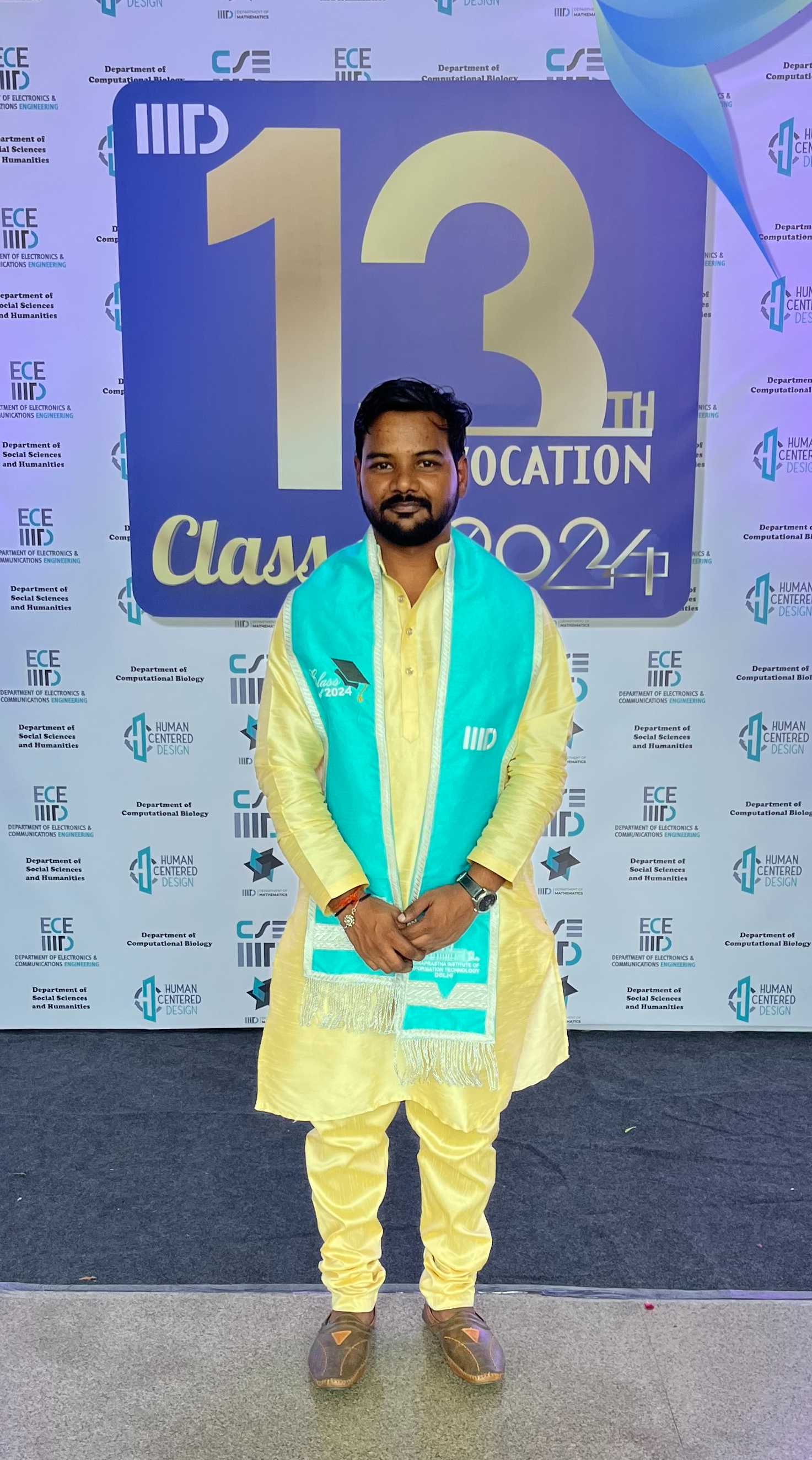
I am a Ph.D. researcher at IIIT Delhi working on structure-based studies of quorum sensing in bacterial systems. My research focuses on leveraging structural databases and computational structural biology tools to analyze protein–ligand interactions involved in bacterial communication, particularly quorum-sensing receptors and their signaling molecules. I use molecular docking, molecular dynamics simulations, and interaction analysis to characterize binding modes and stability. In addition to my Ph.D. work, I have experience in a machine learning–based project on protein–ligand binding affinity prediction, where I worked with features derived from protein–ligand structures, docking results, and molecular descriptors. This involved data curation from structural and binding databases, feature engineering, model training, and performance evaluation.
Expertise: Structural Biology, Quorum Sensing, Molecular Dynamics Simulations, Molecular Docking, Protein-Ligand Interactions, Machine Learning
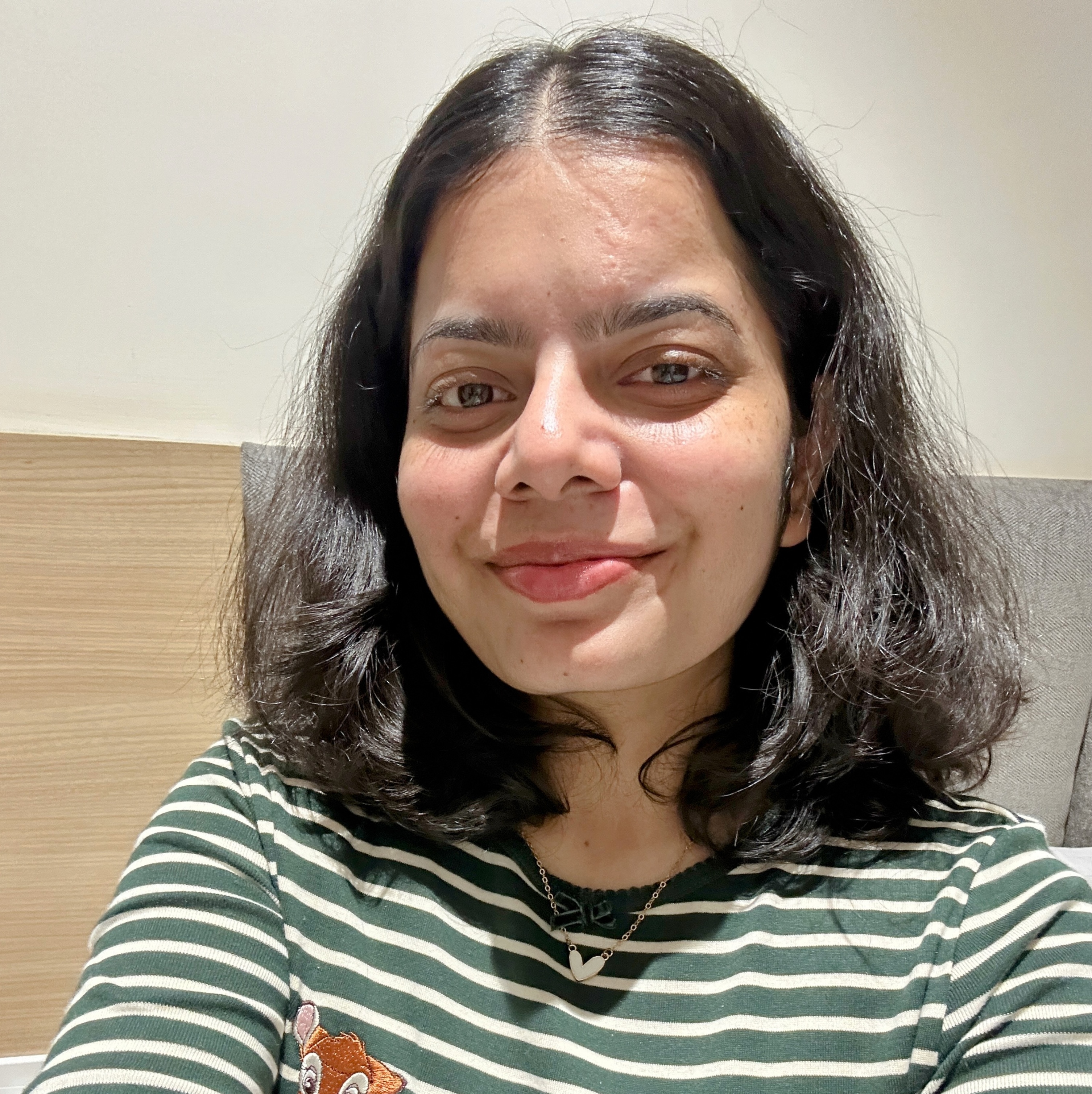
My research interest focuses on the molecular mechanisms of neurodegenerative diseases, particularly protein misfolding, aggregation, and dysfunctional protein interactions. In parallel, I have been working on understanding TRPV1 channel activation and how chili-derived compounds modulate sensory signaling at the molecular level.
Expertise: Neurodegenerative Diseases, Protein Misfolding & Aggregation, TRPV1 Signaling, Molecular Mechanisms, Structural Biology